
Privacy used to be invisible. Now it’s a plot point.
From spy thrillers to dystopian dramas, modern media has turned digital surveillance into something tangible, urgent, and often terrifying. In that world, Faraday bags and Faraday gear show up as quiet tools of control, protection, and sometimes rebellion. What used to be niche, technical equipment is now part of mainstream storytelling, and that shift is shaping how people think about privacy in real life.
The question is no longer whether we’re being watched. It’s whether we have any control over it.
The Rise of Surveillance as Entertainment
Movies and TV shows have spent the last decade leaning hard into themes of hacking, tracking, and data exposure. Shows like Black Mirror, Mr. Robot, and Person of Interest don’t just entertain, they normalize the idea that our devices are always listening, always transmitting, always vulnerable.
In these narratives, smartphones are rarely neutral. They are liabilities. GPS tracking becomes a threat. Signals become breadcrumbs. Characters who understand this don’t just turn off their devices, they isolate them. That’s where Faraday bags start to appear.
A Faraday bag blocks electromagnetic signals, preventing devices inside from sending or receiving data. In pop culture, this simple function becomes a powerful symbol. It represents a break from the system. A way to disappear.
Faraday Bags as a Symbol of Control
When a character drops their phone into a Faraday bag, it signals more than technical awareness. It signals intent.
It tells the audience that this person understands how surveillance works and is actively opting out. In a world where most characters are passively tracked, that small action becomes a form of resistance.
This is especially common in espionage and crime genres. Intelligence operatives, whistleblowers, and even criminals use Faraday gear to avoid detection. The message is clear. If you want privacy, you have to take it.
That framing matters because it mirrors a growing real-world concern. As data collection becomes more pervasive, people are starting to realize that privacy is not the default. It’s something you have to actively protect.
Media Influence on Real-World Behavior
Pop culture doesn’t just reflect reality. It shapes it.
Search trends for terms like “Faraday bag,” “signal blocking pouch,” and “RF shielding” often spike after major releases featuring surveillance themes. People see these tools on screen and start asking practical questions. Can my phone be tracked when it’s off? Are my car keys vulnerable to relay attacks? How do I actually protect my data?
This is where fiction crosses into everyday life.
Faraday bags are no longer just props. They’re becoming part of personal security setups. Travelers use them to prevent digital theft. Professionals use them to secure sensitive devices. Everyday users are adopting Faraday gear to limit unwanted tracking and maintain control over their digital footprint.
The shift is subtle but important. Media creates awareness, and awareness drives action.
The Normalization of Digital Threats
One of the most significant effects of media portrayal is normalization.
Ten years ago, the idea that someone could intercept your wireless signals or track your device remotely felt extreme. Now it feels expected. Pop culture has made these threats familiar, even routine.
That familiarity has a double edge.
On one hand, it can create anxiety. Constant exposure to surveillance narratives can make it feel like privacy is impossible. On the other hand, it empowers people with knowledge. It introduces tools and concepts that were once limited to technical circles.
Faraday bags sit right at that intersection. They are simple enough to understand, but powerful enough to feel like a real solution.
Why Faraday Gear Resonates Today
The appeal of Faraday gear in both media and real life comes down to one thing: control.
In a world where data flows constantly and invisibly, blocking signals is one of the few actions that feels definitive. When a device is inside a Faraday bag, it is cut off. No tracking, no hacking, no communication.
That clarity is rare.
Pop culture amplifies this by showing clear cause and effect. Character uses Faraday bag, character disappears from the grid. That simplicity is compelling, even if real-world scenarios are more nuanced.
It taps into a deeper desire to reclaim boundaries in a hyper-connected world.
From Fiction to Everyday Use
The journey of Faraday bags from specialized equipment to recognizable cultural objects is a direct result of media exposure. What started as a tool for engineers and security professionals is now part of the broader conversation around digital privacy.
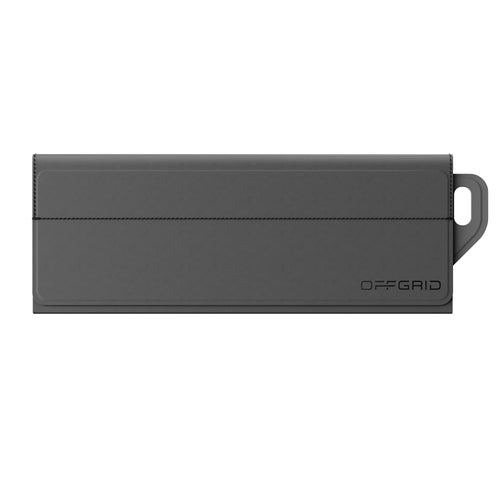
Brands like OffGrid are helping bridge that gap by making Faraday gear accessible, reliable, and practical for everyday use. The goal isn’t paranoia. It’s awareness and preparedness.
Because the reality is, the threats portrayed in media aren’t entirely fictional. Signal interception, device tracking, and wireless vulnerabilities are real. The difference is that now, more people know about them.
The Future of Privacy in Pop Culture
As technology continues to evolve, so will the stories we tell about it.
Artificial intelligence, biometric tracking, and always-on connectivity are already shaping the next wave of narratives. Faraday bags may remain part of that story, or they may evolve alongside new forms of protection.
What won’t change is the core theme.
Privacy is no longer assumed. It’s negotiated.
And as long as media continues to explore that tension, tools like Faraday bags will remain both practical solutions and powerful symbols.