
Wireless technology keeps expanding. Phones talk to towers. Cars talk to keys. Devices talk to each other constantly, often without us noticing. As connectivity grows, so does the need to control when devices communicate and when they don’t.
Faraday technology is no longer just about blocking signals. It’s evolving into a broader system of digital control, privacy, and resilience. Here’s where signal shielding is headed next and why it matters.
From Blocking Signals to Managing Exposure
Traditional Faraday cages were binary. Signals were either blocked or not. Modern Faraday tech is moving toward smarter, more intentional shielding.
The future focuses on:
-
Selective signal isolation
-
Portable, modular shielding
-
Everyday carry solutions instead of fixed enclosures
People don’t just want to disappear digitally forever. They want the ability to disconnect on demand. Faraday products are becoming tools for choice, not just protection.
Smarter Materials, Better Performance
Early Faraday cages relied on solid metal. Today’s solutions use advanced conductive fabrics, layered composites, and precision stitching to eliminate signal leaks.
What’s coming next:
-
Thinner, lighter shielding materials
-
Higher attenuation across wider frequency ranges
-
Improved durability without sacrificing flexibility
This means larger devices, multi-device kits, and even full travel bags can be shielded effectively without looking or feeling industrial.
Faraday Tech Beyond Phones
Phones were the first concern. They won’t be the last.
Future Faraday use cases include:
-
Laptops and tablets with always-on radios
-
Vehicles with constant cellular and GPS connections
-
Smart tools and wearables
-
Portable power stations and off-grid systems
As more devices become “always connected,” Faraday shielding becomes less niche and more foundational.
Automotive and Travel Security Growth
One of the fastest-growing areas for Faraday tech is automotive security. Relay attacks on keyless entry systems are becoming more common, pushing Faraday protection into the mainstream.
Expect to see:
-
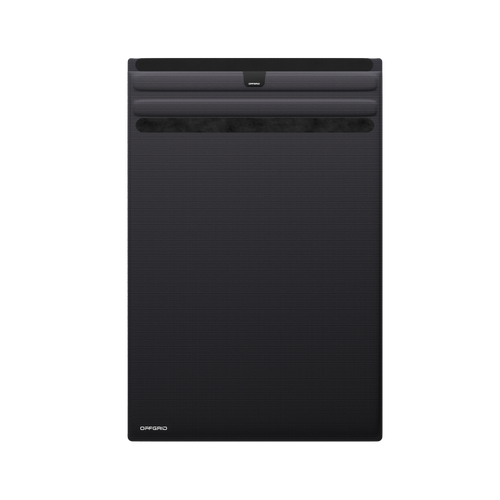
Larger Faraday bags designed for travel and transport
-
Shielded compartments built into luggage and gear bags
-
Increased adoption by travelers, overlanders, and professionals
This shift favors high-capacity Faraday solutions that can secure multiple items at once.
Privacy as a Design Requirement
In the future, privacy won’t be an afterthought. It will be designed into physical products.
Faraday protection plays a key role by:
-
Preventing passive tracking
-
Blocking unauthorized wireless access
-
Creating air-gapped storage for sensitive electronics
As awareness grows, Faraday tech moves from “tactical gear” into everyday preparedness.
Where OffGrid Fits In
OffGrid builds for where Faraday tech is going, not where it’s been.
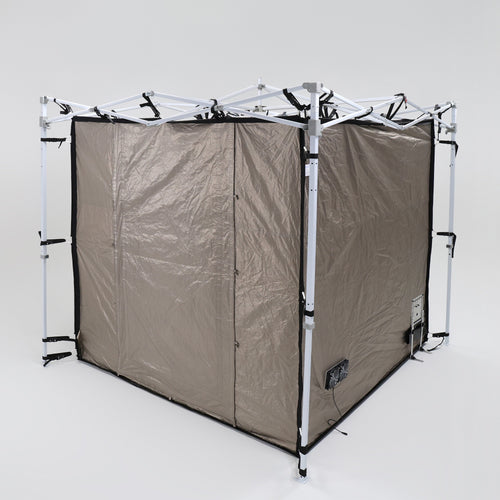
Instead of focusing only on small pouches, OffGrid designs Faraday protection for real-world carry. Larger formats. Durable construction. Full signal isolation across modern frequencies.
As shielding technology improves, OffGrid products are positioned to scale with it, securing not just phones, but entire digital ecosystems in one place.
The Next Phase of Faraday Science
Michael Faraday discovered a principle. The modern world is discovering a need.
The future of signal shielding isn’t about fear of technology. It’s about balance. Knowing when to connect and when to shut the door.
Faraday tech is becoming less about hiding and more about control. And that shift is just getting started.