
If you have spent any time thinking about emergency preparedness, you have probably heard the term EMP tossed around. It often sounds dramatic, sometimes confusing, and usually comes bundled with talk of Faraday cages, blackout scenarios, and fried electronics. Let’s slow it down and get practical.
This guide breaks down what an EMP actually is, how Faraday bags work, and what kind of protection you realistically need if you want to keep your critical electronics safe.
What Is an EMP?
EMP stands for electromagnetic pulse. It is a burst of electromagnetic energy that can disrupt or damage electronic devices. EMPs can come from a few different sources:
-
Solar events like large solar flares
-
High altitude nuclear detonations
-
Certain specialized non nuclear weapons
The main risk from an EMP is voltage overload. Long conductive elements like wires and antennas can act like collectors, pulling in energy and sending damaging surges into electronics.
Not every EMP is catastrophic, and not every electronic device is equally vulnerable. But sensitive, modern electronics without protection are generally the most at risk.
What Is a Faraday Bag?
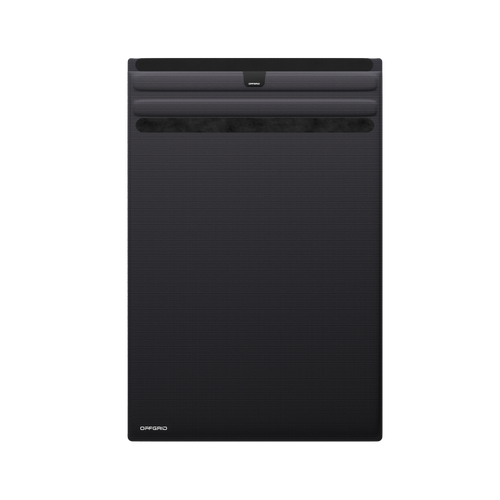
A Faraday bag is a portable version of a Faraday cage. It is designed to block electromagnetic signals by surrounding a device with conductive material.
When an electromagnetic pulse or radio signal hits the outside of the bag, the conductive layers redirect that energy around the contents instead of letting it pass through.
In plain terms, a Faraday bag creates a shield that helps isolate electronics from EMPs, solar flares, radio frequency interference, and tracking signals.
How Faraday Bags Protect Electronics
A properly designed Faraday bag works by:
-
Using multiple layers of conductive material
-
Fully enclosing the device with no gaps or leaks
-
Preventing energy from coupling into internal components
Quality matters here. Thin novelty bags or poorly sealed pouches may block some signals but fail during stronger events. A real EMP protection bag should be tested, layered, and built to stay sealed even with repeated use.
This is especially important for items like:
-
Smartphones
-
Radios and walkie talkies
-
GPS devices
-
Tablets and laptops
-
Backup hard drives
Do Faraday Bags Really Work Against EMPs?
Short answer: yes, when they are well made and used correctly.
Long answer: protection depends on three main factors:
-
Strength of the EMP
-
Quality of the Faraday bag
-
Whether the device is fully enclosed
A Faraday bag will not magically make electronics indestructible, but it can dramatically reduce the risk of damage from most realistic EMP scenarios.
For everyday preparedness, Faraday bags are one of the simplest and most cost effective layers of protection available.
What Should You Store in a Faraday Bag?
Focus on devices that would be hard to replace or critical during an emergency.
Good candidates include:
-
Emergency radios
-
Satellite communicators
-
Power banks
-
Flash drives with important documents
-
Medical devices with electronic components
It is also smart to keep charging cables and small accessories inside the bag. A protected device is less useful if its supporting gear is damaged.
Faraday Bags vs Faraday Cages
Faraday cages are larger, fixed structures. Think metal lockers, ammo cans modified with insulation, or dedicated storage rooms.
Faraday bags are:
-
Portable
-
Lightweight
-
Easy to integrate into everyday carry or go bags
For most people, Faraday bags offer a better balance of protection, cost, and flexibility. They are especially useful if you want to protect electronics while traveling or moving.
Common Mistakes to Avoid
A few things can undermine EMP protection:
-
Leaving the bag partially open
-
Storing devices with exposed cables sticking out
-
Using damaged or worn bags
-
Assuming all signal blocking bags offer EMP protection
Signal blocking and EMP shielding are related but not identical. Always check that a bag is designed for high energy electromagnetic protection, not just privacy.
Practical EMP Protection for Real Life
EMP preparedness does not have to be extreme or paranoid. It is about reducing single points of failure.
Faraday bags are a simple way to add resilience without changing how you live. Store backups. Rotate devices. Test your setup occasionally.
If you never need it, great. If you do, you will be glad it was there.
Final Thoughts
Faraday bags are not science fiction gear. They are practical tools for protecting electronics from EMPs, solar activity, and electromagnetic interference.
Like any preparedness tool, they work best as part of a broader plan. Food, water, power, and communication all matter. Protecting your electronics helps keep those systems working when it counts.
If you are serious about preparedness, a quality Faraday bag is a smart, low effort upgrade.