
Airport USB chargers and free Wi-Fi feel like harmless conveniences. But according to recent reporting from USA Today and renewed TSA guidance, these conveniences can come with real digital risks. USA Today highlights how hackers can exploit public charging stations and unsecured networks to access personal information, making this a growing concern for anyone who travels with a smartphone or laptop, which is all of us.
The Hidden Threat of “Juice-Jacking” and Airport Wi-Fi
Public USB ports aren’t always safe.
TSA officials warn that hackers can install malware in public charging stations. When you plug in, the cable that powers your phone can also transfer data. If the port has been tampered with, malware can be pushed onto your device without you noticing. This attack method, often called juice-jacking, is one reason security agencies continue to urge travelers to avoid public USB chargers altogether.
Unsecured Wi-Fi creates another easy entry point.
Free airport Wi-Fi networks are often unprotected and widely shared. This makes them a target-rich environment for anyone looking to intercept passwords, emails or personal data. Signing into sensitive accounts on open Wi-Fi dramatically increases your exposure to cyber threats.
Even if confirmed attacks are rare, the stakes are high.
Security experts and federal agencies continue to treat both risks seriously, especially in crowded international terminals where cybercriminals blend in easily. With so much personal information stored on our devices, the potential damage from a single compromise is too significant to ignore.
How Travelers Can Stay Secure
Here are simple steps that dramatically reduce your exposure:
-
Pack your own charger or power bank so you never need a public USB station.
-
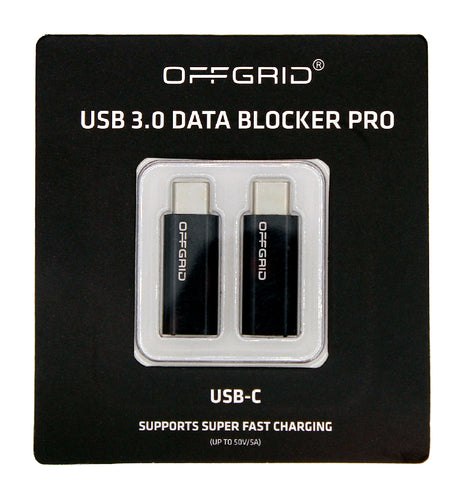
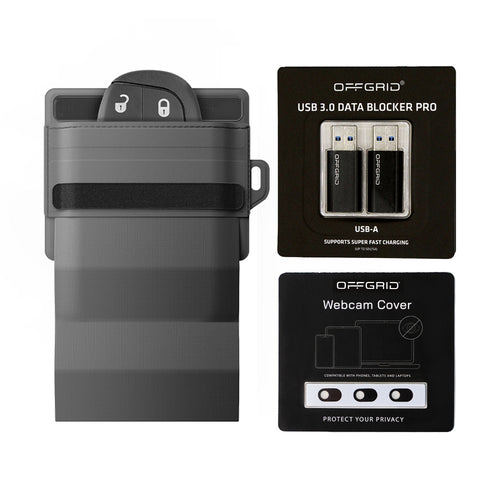
If you must use a USB port, use a charge-only cable or a USB data blocker.
-
Avoid logging into sensitive accounts on public Wi-Fi.
-
Use a VPN if you need to browse online from an unsecured network.
-
Keep your devices updated and use strong passwords and multi-factor authentication.
These practices take seconds but can shield you from major headaches later.
Why This Matters for OffGrid Travelers
People who care about privacy and self-sufficiency already know the value of taking control of their digital footprint. The TSA’s renewed warning aligns perfectly with the OffGrid mindset:
-
Staying off the radar means avoiding systems that expose your identity.
-
Self-reliance includes owning your power and your connection.
-
A secure digital life is just as important as secure travel plans.
If you want real privacy and independence on the road, protecting yourself from hidden digital risks is non-negotiable.
Final Thoughts
USA Today’s reporting reinforces what cybersecurity experts have been saying for years. Airport USB ports and free Wi-Fi may be convenient, but they aren’t built with your privacy in mind. The smarter move is to take control of your own power and your own data.
Traveling off-grid isn’t just about escaping noise and crowds. It’s about safeguarding your digital identity wherever you go - airport terminals included.