
5G is everywhere.
So are smart devices.
From phones and laptops to car keys, wearables, and “smart” home gadgets, we’re surrounded by wireless signals 24/7.
That’s where signal shielding comes in.
Signal shielding is one of the simplest ways to protect your privacy, reduce tracking risk, and control what your devices can (and can’t) communicate.
What Is Signal Shielding?
Signal shielding is the process of blocking wireless signals from reaching a device.
That includes:
-
Cellular (4G/5G)
-
WiFi
-
Bluetooth
-
GPS
-
RFID
-
NFC
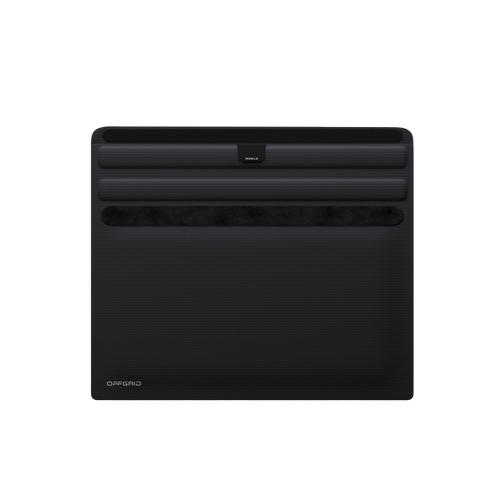
Most shielding products work by using a conductive material that forms a barrier around the device. This is commonly known as a Faraday cage (or Faraday shielding).
Why Signal Shielding Matters More Than Ever
1) 5G Adds More Coverage (and More Exposure)
5G networks are faster and more widespread than older systems.
That’s great for streaming.
But it also means:
-
Devices stay connected more consistently
-
Signals can travel through more environments
-
Tracking and data collection become easier and more persistent
Signal shielding gives you a manual “off switch” that doesn’t rely on software settings.
2) IoT Devices Multiply Your Attack Surface
The average home now contains dozens of connected devices.
Examples:
-
Smart locks
-
Smart speakers
-
Security cameras
-
Smart TVs
-
Garage door openers
-
Baby monitors
-
Thermostats
Many IoT devices have weak security, outdated firmware, or unclear data practices.
Signal shielding helps reduce the risk by limiting wireless communication when you don’t need it.
3) Your “Offline” Devices Still Talk
Even when you think something is off, it may still transmit.
Common examples:
-
Phones that still ping networks
-
Bluetooth devices that broadcast identifiers
-
Key fobs that can be scanned or relayed
-
Laptops waking up WiFi modules
-
AirTags and similar trackers
Shielding blocks signals regardless of what the device claims it’s doing.
What Signals Should You Be Shielding?
Different privacy risks come from different signals.
Here’s the practical breakdown.
Cellular (4G/5G)
Risk: Location tracking, network pings, persistent connectivity
Shielding benefit: Stops cellular connection entirely
If your phone can’t connect to a tower, it can’t be tracked through that channel.
WiFi
Risk: Device fingerprinting, network scanning, passive tracking
Shielding benefit: Prevents WiFi discovery + connection
Even when you aren’t connected, devices often scan for networks.
Bluetooth
Risk: Proximity tracking, pairing attacks, data leakage
Shielding benefit: Stops Bluetooth broadcast signals
Bluetooth is one of the most common “silent” privacy leaks.
GPS
Risk: Precise location tracking
Shielding benefit: Blocks GPS signal reception
Important note: GPS is receive-only, but phones can still use location via cell + WiFi. Shielding helps prevent the full stack.
RFID + NFC
Risk: Skimming, cloning, contactless payment attacks
Shielding benefit: Prevents unauthorized scans
This is especially relevant for:
-
Credit cards
-
Passports
-
Work badges
-
Hotel keys
Common Signal Shielding Use Cases (Real World)
Signal shielding isn’t just for spy movies.
It’s for normal people who want control.
Shielding Your Phone
A shielded phone means:
-
No location pings
-
No background transmissions
-
No surprise tracking
Perfect for:
-
Travel
-
Sensitive meetings
-
Personal privacy
-
Work-life separation
Shielding Your Car Key Fob
Key fob relay attacks are one of the most common modern car theft methods.
Shielding prevents:
-
Relay scanning
-
Signal amplification theft
-
Passive key detection
Shielding Credit Cards and Passports
RFID blocking prevents:
-
Unauthorized scanning
-
Passive skimming
-
Identity leakage in crowded places
Shielding Tracking Devices
If you suspect a tracker is on you (or in your vehicle), shielding can:
-
Stop it from transmitting
-
Buy time while you locate it
-
Prevent live tracking
Does 5G Make Shielding Harder?
Not really.
But it does change the game.
5G uses a wider range of frequencies than older networks, including higher bands in some areas.
That means shielding has to be:
-
High-quality
-
Well-sealed
-
Tested across multiple signal types
Cheap products often fail here.
What Makes Signal Shielding Actually Work?
Not all “Faraday” products are created equal.
If you want real protection, these things matter.
1) Full Enclosure (No Gaps)
Shielding fails if there’s an opening.
A tiny gap can leak signal.
That’s why closures matter:
-
Roll-top seals
-
Magnetic closures
-
Tight folding seams
2) Multi-Layer Shielding Materials
Better shielding typically uses layered conductive fabrics.
This improves performance across:
-
Cellular
-
WiFi
-
Bluetooth
-
GPS
3) Real-World Testing (Not Just Claims)
Many brands say “blocks signals” without testing.
A real shielding product should be tested against:
-
Modern 4G + 5G bands
-
WiFi (2.4GHz + 5GHz)
-
Bluetooth
-
GPS
How to Test Signal Shielding at Home
You don’t need a lab.
You just need a few quick checks.
Phone Test (Fastest)
-
Put phone in shielding bag
-
Close it fully
-
Call the phone
If it rings, shielding failed.
If it goes straight to voicemail, that’s a good sign.
WiFi + Bluetooth Test
Before sealing the bag:
-
Turn on WiFi
-
Turn on Bluetooth
After sealing:
-
Try to AirDrop (iPhone)
-
Try to pair Bluetooth
-
Try to detect WiFi networks
A good shield blocks all of it.
GPS Test
Open a maps app before shielding.
Then seal the device and wait.
If GPS location stops updating, shielding is working.
Signal Shielding Myths (Quick Reality Check)
“Airplane Mode is enough”
Not always.
Airplane mode is software.
Shielding is physical.
Software can fail, be overridden, or be misconfigured.
“Only criminals need Faraday bags”
Nope.
Privacy is normal.
Signal shielding is like:
-
closing your blinds
-
locking your door
-
using a password
“All Faraday bags work the same”
They don’t.
Material quality, seams, closures, and design matter a lot.
Who Needs Signal Shielding Most?
Signal shielding is useful for anyone.
But it’s especially valuable if you:
-
travel frequently
-
carry sensitive work devices
-
worry about stalking or tracking
-
drive a car with a keyless entry fob
-
want more control over your digital footprint
OffGrid’s Take: Privacy Should Be Simple
You shouldn’t need a technical background to protect yourself.
Signal shielding is one of the few privacy tools that:
-
works instantly
-
doesn’t require apps
-
doesn’t require trust in software
-
doesn’t need updates
-
works across many device types
It’s a clean solution in a noisy wireless world.
Frequently Asked Questions
Does signal shielding block 5G?
Yes, if the shielding is high quality and fully sealed.
Does it block WiFi and Bluetooth too?
Good shielding blocks all common wireless signals.
Can I still use my phone inside a Faraday bag?
No. That’s the point.
A shielded phone becomes truly offline.
Will shielding drain my battery?
No.
In fact, if a phone is sealed and searching for signal, it may drain faster. Most high-quality bags reduce this effect by fully blocking the signal quickly.
Final Thoughts: 5G and IoT Aren’t Going Away
Connectivity is only increasing.
So the real question becomes:
Do you want your devices connected all the time… or only when you choose?
Signal shielding gives you that choice.