
Being a parent today means managing a small fleet of devices. Phones, tablets, laptops, key fobs, smartwatches. Each one makes life easier, but each one also quietly collects and transmits data about your family.
Most parents focus on screen time and content controls. That matters. But privacy goes deeper than what kids see on a screen. It’s also about what their devices are sharing when no one is paying attention.
The Hidden Side of Family Tech
Modern devices are designed to stay connected at all times. Even when they’re locked or sitting idle, they often continue to broadcast signals like Wi-Fi, Bluetooth, cellular, and GPS.
For families, that can mean:
-
Location data being passively tracked
-
Devices responding to nearby scanners
-
Lost or stolen items exposing personal information
-
Children carrying always-on devices they don’t fully understand
None of this requires a hack. It’s simply how connected technology works by default.
Why Software Alone Isn’t Enough
Passwords, updates, and parental controls are essential. You should absolutely use them. But software settings only manage what happens once a device is already connected.
They don’t stop signals from leaving the device in the first place.
That’s where many parents start looking for an additional layer of protection. Something simple. Physical. Easy to explain to kids.
Using Faraday Bags to Protect Family Devices
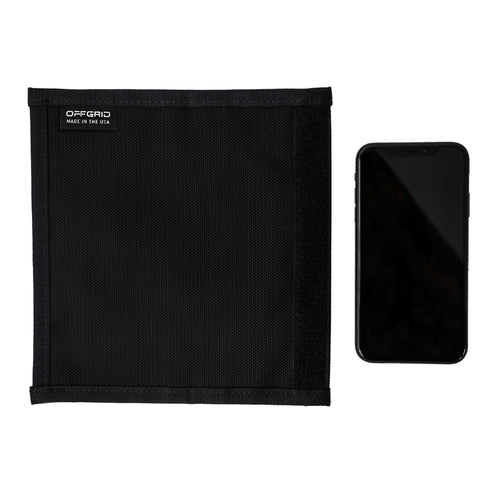
A Faraday bag is designed to block wireless signals completely when a device is placed inside. No Wi-Fi. No Bluetooth. No GPS. No cellular connection.
For parents, this opens up some very practical use cases:
During school or activities
Phones can be carried for emergencies but stay offline when they’re not needed.
At home
Devices can be stored overnight without background tracking or notifications.
While traveling
Tablets, phones, and key fobs stay protected in airports, hotels, and public spaces.
For car keys
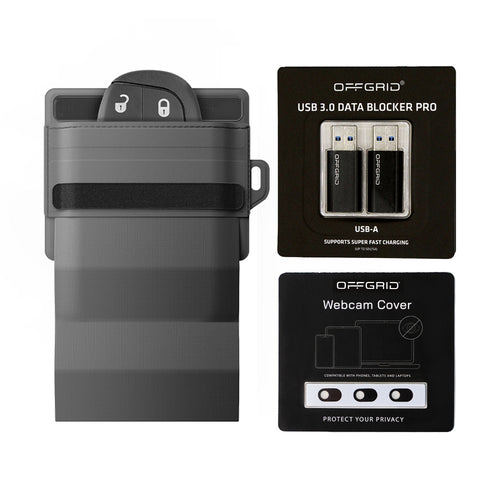
Key fobs stored in signal-blocking pouches help prevent relay attacks and unauthorized access.
Instead of constantly toggling settings, a Faraday bag creates a clear on/off boundary. Device out means connected. Device in means quiet.
Teaching Kids Privacy Through Habits
One of the benefits parents often don’t expect is how physical privacy tools help build awareness.
Kids quickly understand the idea of putting devices away when they’re not needed. It feels similar to packing a lunch or locking a bike. Over time, it reinforces the idea that technology should serve them, not follow them everywhere.
Privacy becomes a habit, not a rule.
Where OffGrid Fits In
OffGrid designs Faraday bags and sleeves specifically for everyday use. Not bulky. Not technical. Just well-built gear that blends into normal family routines.
From phone sleeves and tablet bags to backpacks and duffels with integrated signal blocking, the goal is simple: give people control over when their devices connect and when they don’t.
For parents, that control means fewer unknowns and more peace of mind.
Building a Privacy-First Family Setup
You don’t need to overhaul everything at once. Start with the basics:
-
Strong passwords and updates
-
Clear rules around device use
-
Physical storage for devices when they don’t need to be online
Adding Faraday bags to that mix gives families an extra layer that works quietly in the background. No apps. No settings. Just protection.
Final Thoughts
Parenting in a connected world is already complicated enough. Privacy shouldn’t add more stress.
With a mix of smart digital habits and simple physical tools, you can reduce exposure without cutting your family off from technology. It’s not about fear or control. It’s about choice.
And for many parents, that choice starts with knowing when to go off grid.