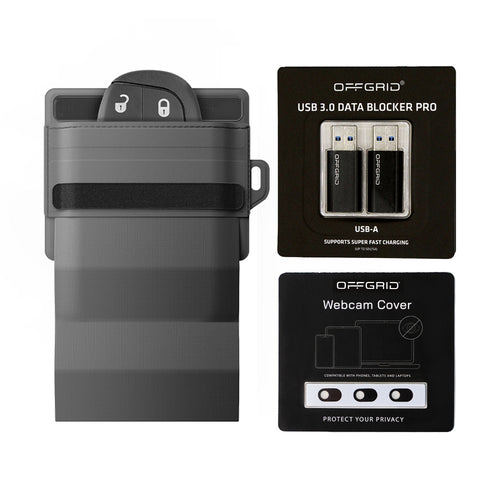

Privacy isn’t just digital anymore. It’s physical too.
Strong passwords, VPNs, and secure apps matter, but they only protect part of your exposure. Your personal data also exists in the real world through mail, home addresses, deliveries, and public records. If your physical address is exposed, digital privacy tools can only do so much.
Real privacy comes from layering physical and digital protection.
Why Digital Privacy Alone Falls Short
Even perfect online security won’t help if your home address is everywhere.
Addresses are tied to bank accounts, business registrations, shipping labels, and data broker databases. Once your address is known, it becomes a permanent anchor that connects your identity across platforms. This is how identity theft, stalking, harassment, and doxxing often start.
Software can’t undo a physical data leak.
The Importance of Physical Privacy
Physical privacy means separating your real location from your identity.
That includes not using your home address for mail, registrations, or deliveries, and reducing how often your address appears in public or commercial databases. Mail is one of the biggest risks. Every envelope with your name and address strengthens a data trail that spreads to brokers and marketers over time.
Once that information circulates, removing it is extremely difficult.
How Layered Privacy Works
Layered privacy reduces risk at every exposure point.
Physical address protection comes first. Using a secure virtual address keeps your home address private while allowing you to receive mail, register services, and operate without revealing where you live.
Mail security adds another layer. Secure mail handling, digital scanning, and controlled forwarding reduce the risk of theft, loss, and data leakage.
Digital privacy tools work better once your physical footprint is protected. Password managers, two-factor authentication, encrypted email, secure messaging, and VPNs become preventative instead of reactive.
Data minimization ties it all together. Share less, reuse information less often, and remove your data from brokers and public listings when possible. If one layer fails, the others limit the damage.
Why Layering Beats Perfection
No privacy system is flawless. Accounts get breached. Records get shared. Addresses leak.
Layering works because it breaks the chain. If one piece of data is exposed, it doesn’t automatically reveal everything else. That’s how privacy strategies scale and survive real-world threats.
Where OffGrid Fits In
OffGrid focuses on the physical layer most people overlook.
By providing secure, private address solutions and mail handling, OffGrid helps remove your home address from the equation. That single change strengthens every digital privacy tool you already use.
Digital tools protect your accounts.
OffGrid protects your real-world footprint.
Final Takeaway
Privacy isn’t a setting or a single product. It’s a system.
When physical and digital privacy work together, exposure drops, risk shrinks, and control increases. Layering these protections is how you move from basic security to real privacy.