
Modern vehicles are rolling computers. From key fobs and infotainment systems to GPS modules and fleet trackers, cars now generate and store more data than most people realize. That convenience comes with a downside: wireless signals can be intercepted, tracked, or exploited. Faraday shielding offers a practical way to reduce that risk and keep sensitive data protected while on the road.
What is Faraday shielding
Faraday shielding is based on a simple principle. When conductive materials surround an object, they block or weaken electromagnetic signals. That means radio frequency signals like cellular, WiFi, Bluetooth, GPS, and RFID cannot easily pass in or out. In practice, this prevents devices inside the shield from communicating wirelessly with the outside world.
This concept has been used for decades in labs and secure facilities. Today, it is increasingly relevant for vehicles as cars rely more heavily on wireless communication.
Why vehicles are vulnerable
Cars constantly emit and receive signals. Some common examples include:
-
Keyless entry systems that broadcast low power radio signals
-
GPS modules that report location data
-
Bluetooth and WiFi connections for phones and infotainment
-
Cellular modems used for telematics and remote diagnostics
These systems can be targeted in several ways. Relay attacks can extend the range of a key fob signal to unlock or start a vehicle. GPS tracking can expose travel patterns. Wireless interfaces can leak metadata even when a car appears to be turned off.
For individuals and organizations that care about privacy, security, or operational secrecy, this exposure is a real concern.
How Faraday shielding helps on the road
Faraday shielding reduces the attack surface by cutting off wireless communication when it is not needed. In a vehicle context, this can mean:
-
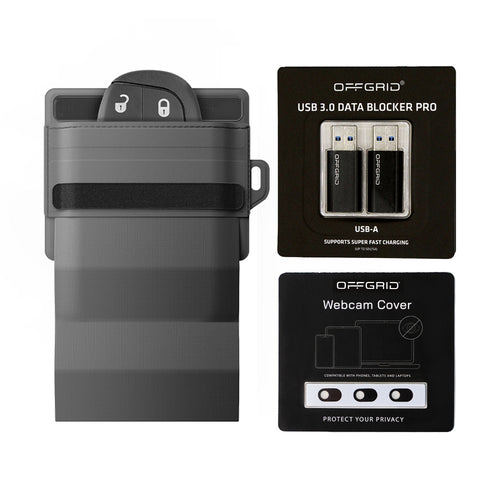
Preventing key fob relay attacks when keys are stored in a shielded pouch
-
Blocking GPS tracking during sensitive travel
-
Reducing the risk of data exfiltration from onboard electronics
-
Limiting passive tracking from cellular or Bluetooth beacons
The goal is not to disable technology permanently, but to control when and how devices can transmit data.
Common Faraday shielding solutions for vehicles
There are several ways Faraday shielding is used in and around vehicles, depending on the threat model and level of protection required.
Faraday pouches and bags
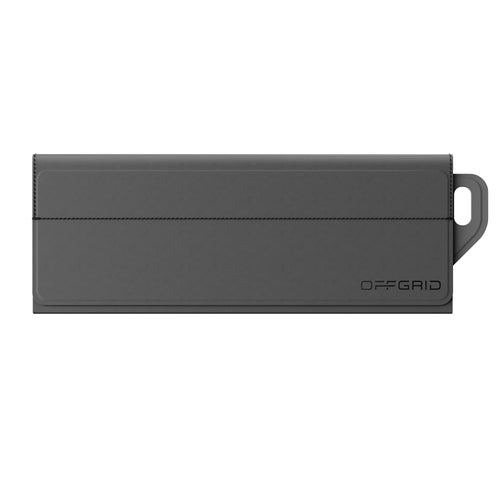
Shielded pouches are one of the simplest options. They are commonly used for key fobs, phones, and tablets. When properly sealed, they block radio signals and prevent remote access or tracking.
Shielded storage compartments
Some vehicles or transport kits include dedicated compartments lined with conductive materials. These are useful for storing multiple devices during travel.
Vehicle level shielding
In higher security environments, partial or full vehicle shielding may be used. This can include conductive films, specialized enclosures, or custom modifications designed to limit signal leakage.
Each approach balances convenience, cost, and effectiveness.
Who should consider Faraday shielding
Faraday shielding is not only for government or military use. It is increasingly relevant for:
-
Fleet operators handling sensitive routes or cargo
-
Executives and public figures concerned about tracking
-
Journalists and investigators traveling with confidential sources
-
Anyone looking to reduce digital exposure while on the move
As vehicles become more connected, the baseline risk continues to rise.
Best practices for effective shielding
To get real protection, implementation matters. A few key guidelines:
-
Ensure the shield is fully enclosed. Even small gaps can leak signals
-
Test regularly using known signals like cellular or Bluetooth
-
Shield both the device and its accessories, including cables and spare keys
-
Combine shielding with good operational habits, not as a standalone fix
Faraday shielding works best as part of a broader security strategy.
The future of vehicle privacy
Connectivity in vehicles is only increasing. Over the next decade, cars will exchange more data with manufacturers, infrastructure, and third party services. While this brings convenience, it also creates new privacy and security challenges.
Faraday shielding provides a straightforward, physics based way to take back control. By deciding when devices can talk and when they stay silent, drivers and organizations can reduce risk without relying on software promises alone.
At OffGrid, we focus on practical tools that help people operate securely in the real world. Faraday shielding is one of the simplest ways to stay off the radar while on the road.